A Journey of Discovery Through Southwestern Public Lands

From Hoover Dam to Arches National Park, Goblin Valley’s eerie rock formations to the marble halls of the Utah State Capitol Building, our 2018 Sophomore College field course was a memorable learning experience. During two weeks on the road, our 13 students had the chance to grapple with a 500 million acre puzzle: the future of the American West’s magnificent and hotly contested public lands.
Via our newly published interactive ‘map journal,’ users can trace their path through Nevada, Utah, and Arizona over two weeks in September. The course, “Fighting Over Our Common Heritage: Public Lands in the West,” was jointly taught by Professors Bruce Cain (Political Science) and Barton "Buzz" Thompson (Law).

In the journal, posts by the students reflect on each day’s experiences: Aja Two Crows describes how quickly a visitor could develop territorial feelings over a striking landscape; Gaby Goldberg ponders the risk of “loving a landscape to death” through overuse; Colin Howe explores an innovative conservation partnership among Wasatch mountain ski resorts and the U.S. Forest Service; these are among many posts offering the students’ observations and experiences along the way.
Scrolling through the journal entries, the accompanying map zooms and pans to the relevant locations, showing the route the class took, and the federal agency managing each public land unit.
Back on campus, our students have continued their reflection and exploration of vital questions of public lands, which will get further attention in upcoming courses. This winter, the former deputy secretary of the Interior Patrick Shea will come from Utah to teach the course “What is Public about Public Lands - Who and How to Manage,” while our spring interdisciplinary survey course "The American West,” will also explore issues around public land ownership and management.
Related Links
Recent Center News


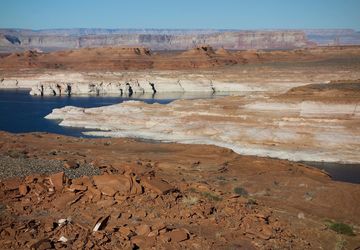
Image Credit: Getty Images